















Amal Sehrawat on Evolving Trends in Entertainment
Actor Amal Sehrawat shares insights on OTT growth, content-driven cinema, and digital media.


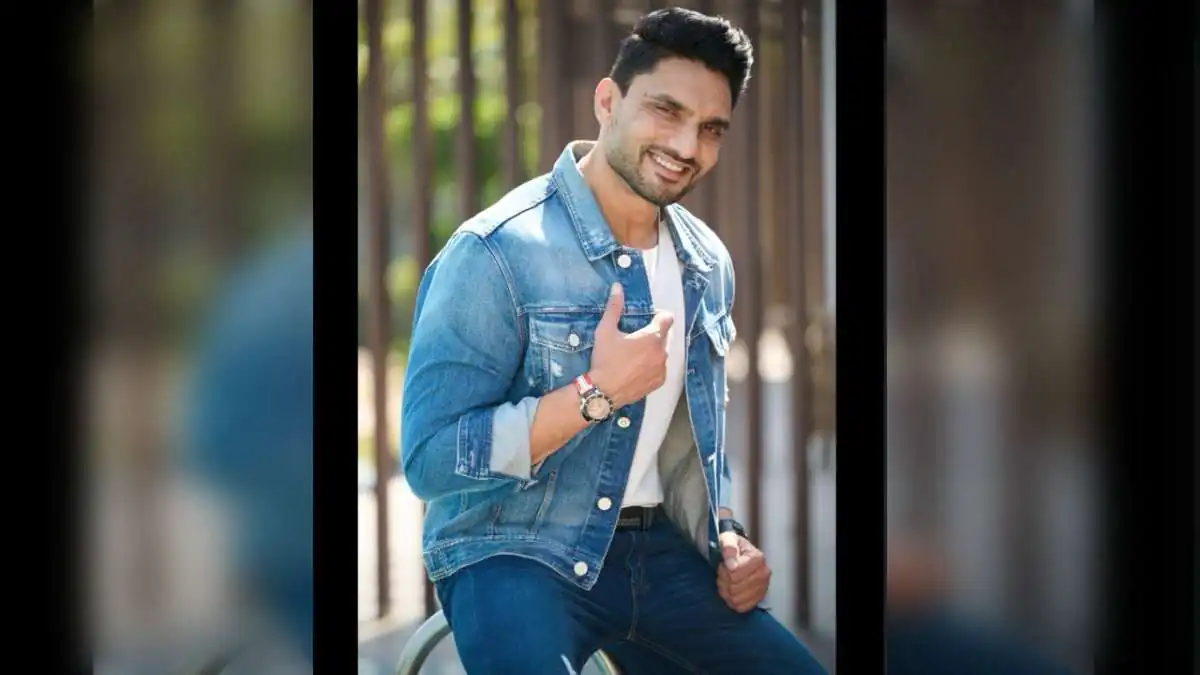

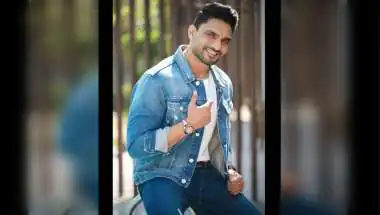
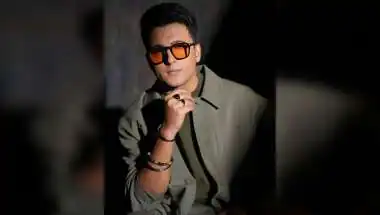
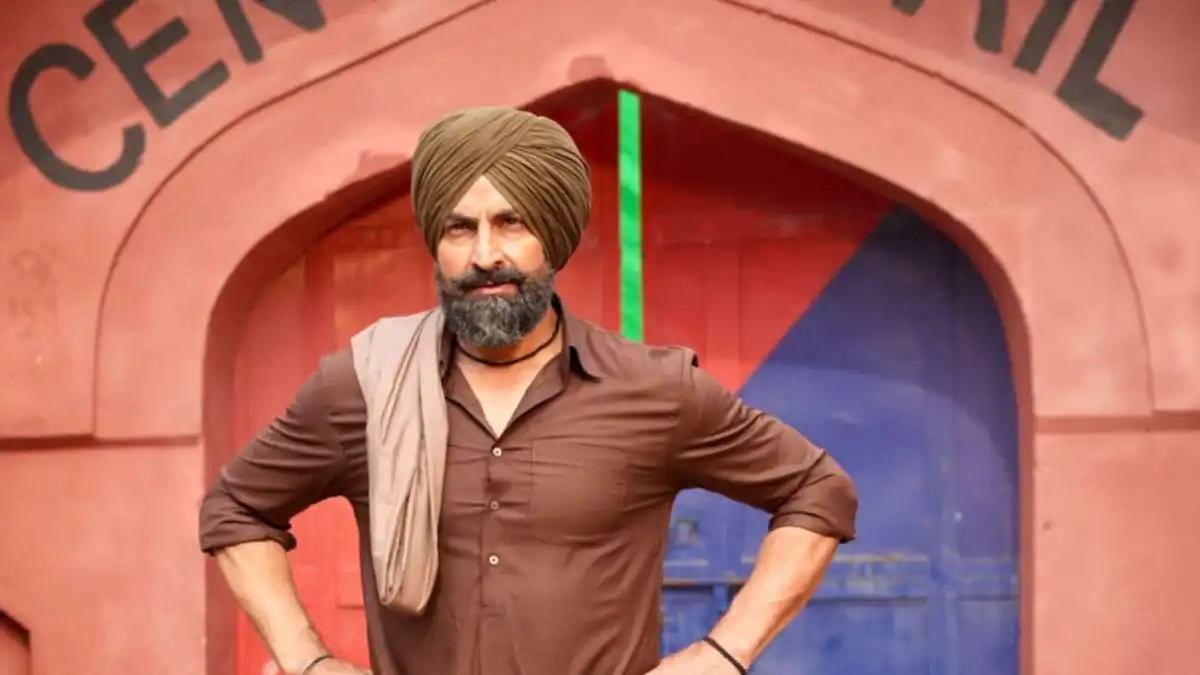
Actor Amal Sehrawat shares his perspective on the evolving entertainment industry, the growing influence of OTT, changing audience preferences and the importance of authentic storytelling. As the lines between films, television and digital content continue to blur, Amal believes that actors today have more opportunities to explore diverse characters and narratives.
Speaking about how he sees the industry evolving over the next five years, Amal says that content will continue to remain at the forefront. “I think the industry is going to become even more content-driven. Audiences today are far more aware and have access to cinema from across the world, so they expect better storytelling, stronger performances and authenticity,” he says. While acknowledging the growing role of technology, he adds, “Technology will definitely play a bigger role, but I believe good stories and good actors will always remain at the heart of the industry.”
When it comes to choosing between films, television and digital projects, Amal says he does not want to limit himself to a particular medium. “I wouldn’t really like to restrict myself to one medium. I enjoy the process of acting, and for me, the role and the story matter more than whether it’s a film, television show or digital project,” he shares. According to him, every platform presents its own set of challenges and learning opportunities for an actor.
The rise of OTT platforms has also significantly expanded the range of characters being offered to performers. Amal feels the change has been particularly encouraging for actors who may not fit the conventional idea of a protagonist. “OTT has opened up a lot of opportunities, especially for actors who may not fit into the conventional definition of a leading man or heroine,” he says. He further points out that there is now greater room for “layered characters, grey shades and stories that don’t necessarily follow a typical commercial format.” For an actor, he believes, this development is “very exciting.”
Amal also believes that the depth and flexibility offered by web series are among the reasons audiences are increasingly drawn towards them. “I think it’s the freedom and depth of storytelling. A series can take its time to develop characters and relationships over several episodes, which allows audiences to become emotionally invested,” he explains. He adds that the convenience of watching content at one’s own pace has also played a major role in changing viewing habits.
Talking about inclusivity and diversity in the entertainment industry, Amal feels there has been a positive shift. “Audiences are accepting different faces, body types, backgrounds and perspectives much more than before,” he says. However, he also acknowledges that there is still considerable room for improvement. “We still have a long way to go, but the industry is slowly becoming more open to talent rather than just conventional perceptions of what a hero or actor should look like.”
On the current trend of remakes and sequels in Bollywood, Amal believes that the idea can work when there is a genuine creative purpose behind it. “I think remakes and sequels can work when there is a genuine creative reason behind them,” he says, adding that simply attempting to recreate the success of an earlier film may not always connect with audiences. “If you bring a fresh perspective, contemporary treatment or a new interpretation to an existing idea, it can be interesting.”
Amal is equally positive about the growing presence of strong female protagonists in Indian entertainment. “I think it’s fantastic and long overdue. A good story shouldn’t be defined by gender,” he says. According to him, well-written female characters make narratives richer and more realistic, while audiences are increasingly embracing such stories. “Personally, I would love to see even more well-written characters for both men and women rather than stories being built around stereotypes,” he adds.
Social media, too, has become an important part of the relationship between celebrities and audiences. Amal acknowledges its influence, saying, “Social media has completely changed the relationship between actors and audiences.” He explains that viewers now get to see aspects of an actor’s personality, lifestyle and opinions beyond their on-screen performances. While he recognises the opportunities social media can create, Amal believes that an actor’s actual work should remain the most important factor. “I also believe an actor’s work ultimately has to speak louder than social media numbers,” he states.
Looking ahead, Amal would like Indian entertainment to explore more stories that are rooted in reality while continuing to remain engaging for audiences. “I would love to see more stories that feel real and rooted but are still entertaining,” he says. Pointing towards the wealth of unexplored narratives around us, he adds, “We have so many incredible stories around us that haven’t been explored properly — human relationships, real-life achievers, unconventional characters and different aspects of Indian society.”
For Amal, the future of entertainment lies in striking the right balance between meaningful storytelling and audience engagement. “I think audiences are ready for stories that make them feel something, think about something and still have a great cinematic experience,” he concludes.